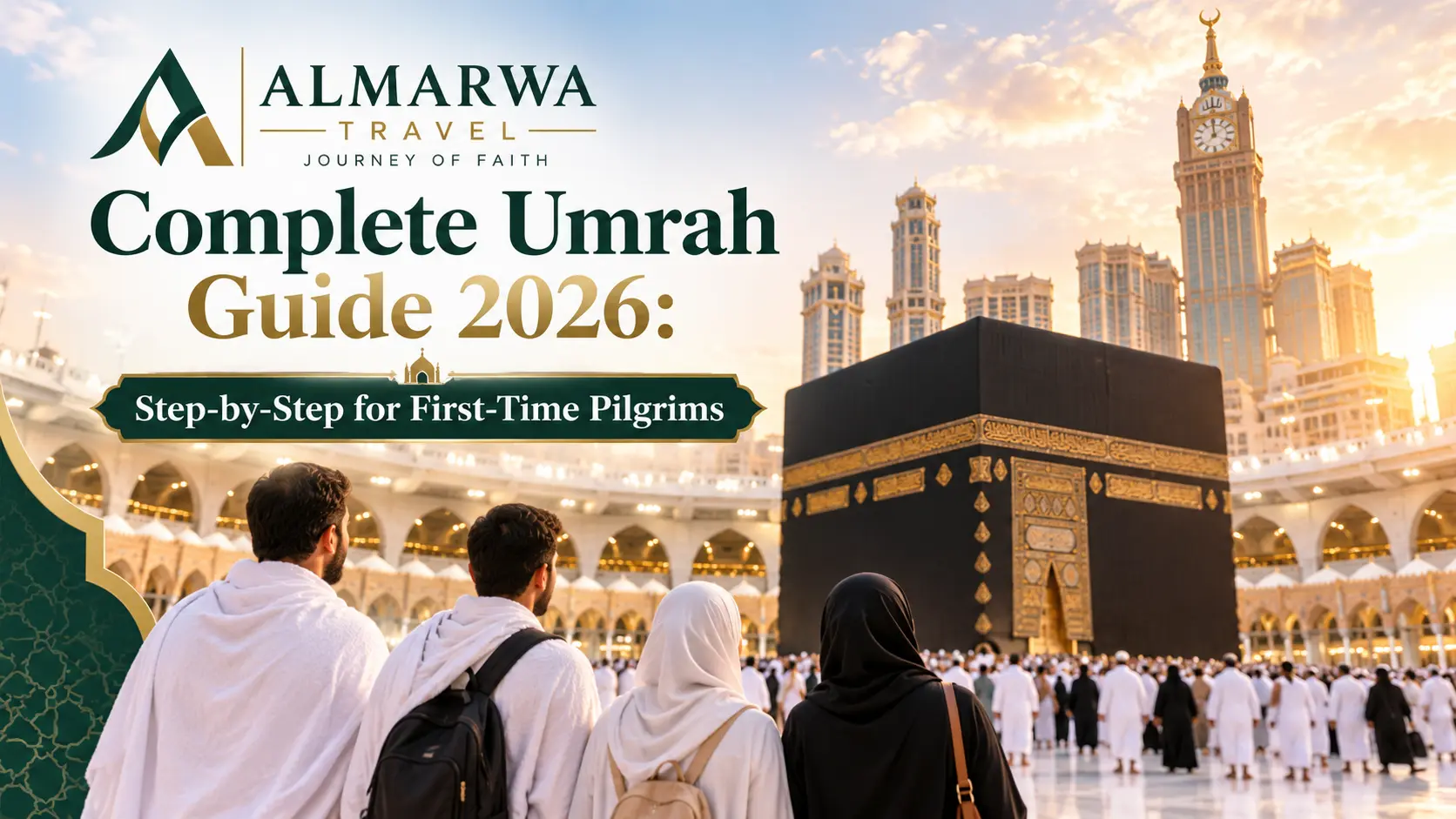
Planning your first Umrah can feel overwhelming. Between visa paperwork, ritual steps, and packing lists, it's easy to feel unsure where to start. This Umrah guide 2026 walks you through everything, from booking to completion, so you can travel with confidence and focus on your worship.
What Is Umrah?
Umrah is a pilgrimage to the Kaaba in Makkah. You can perform it at any time of year, and it typically takes just a few hours to complete. Unlike Hajj, Umrah is not obligatory — but it carries immense spiritual reward, and scholars highly recommend it for anyone able to make the journey.
The main difference is timing and scale. Hajj happens once a year, on fixed dates, and includes several extra rituals. Umrah is shorter and more flexible, which makes it a popular choice for UK Muslims planning a first pilgrimage.
When Should You Perform Umrah in 2026?
Umrah can be performed year-round, but conditions vary by season. Ramadan Umrah carries extra spiritual significance and is one of the busiest, most rewarding times to go, though hotels near the Haram fill up quickly. Cooler months, such as autumn and winter, tend to be less crowded and more comfortable for elderly travellers.
Many families plan their trip around UK school holidays, so Easter and December departures are especially popular. If you'd rather travel during the holy month itself, our Ramadan Umrah packages are designed specifically around that period.
Umrah Visa Requirements for UK Residents
UK pilgrims need a valid Umrah visa before travelling. You'll typically need a passport valid for at least six months, a recent passport photo, and proof of your travel booking. Processing times can vary, so it's best to apply well ahead of your departure date.
Visa applications are usually rejected due to incomplete documents or passport issues, so double-check everything before submitting. For step-by-step support with your application, see our Hajj and Umrah visa guidance page.
Planning Your Umrah Journey
You can travel independently or book a package that bundles flights, hotels, and transport. For first-time pilgrims, a package is usually simpler, since it removes the guesswork around logistics.
Budgets vary widely depending on hotel star rating, proximity to the Haram, and travel dates. Our Umrah packages page lists current options across 3-star to 5-star hotels, so you can compare based on your budget and comfort needs.
The 4 Steps of Umrah Explained
Entering Ihram
Ihram is the sacred state pilgrims enter before reaching the miqat boundary. Men wear two white unstitched cloths; women wear simple, modest clothing. Before entering Ihram, you make your niyyah (intention) for Umrah.
Tawaf
Tawaf means circling the Kaaba seven times, starting and ending at the Black Stone. Pilgrims recite duas during each circuit. Wheelchair access is available for elderly or less mobile pilgrims.
Sa'i
Sa'i is walking seven times between the hills of Safa and Marwa, recalling the story of Hagar's search for water. Green light markers show men where to walk faster. Rest areas are available along the route.
Halq or Taqsir
Umrah ends with cutting the hair. Men can choose between Halq (shaving the head) or Taqsir (trimming). Women trim a small portion of hair, roughly the length of a fingertip. Once this is done, Umrah is complete.
Essential Umrah Duas
Specific duas are recommended at key moments: on first seeing the Kaaba, during Tawaf, at Safa and Marwa, and when drinking Zamzam water. Carrying a small dua booklet or phone app with Arabic, transliteration, and translation makes it easier to follow along without memorising everything in advance.
What to Pack for Umrah: Quick Checklist
- Ihram clothing (men) or modest, loose clothing (women)
- Unscented toiletries (scented products are prohibited in Ihram)
- Medications and a basic first-aid kit
- Passport, visa printout, and travel insurance documents
- Phone charger, adapter, and a portable power bank
- Comfortable, easy-to-remove sandals for Tawaf
Common Umrah Mistakes to Avoid
Many first-time pilgrims skip learning the rituals beforehand and end up relying on guesswork. Others overpack, wear scented products in Ihram by accident, or rush through Tawaf and Sa'i without pausing for reflection. Staying hydrated, especially during Ramadan or summer months, is often overlooked but essential.
Additional Activities During Your Trip
Most pilgrims extend their trip to visit Madinah and the Prophet's Mosque. Historical sites such as the Cave of Hira, Jannat al-Baqi, and Mount Uhud are also popular for those wanting a deeper connection to Islamic history during their stay.
Health and Safety Tips
Check recommended vaccinations before you travel, and pack any regular medication in your hand luggage. Crowds around the Haram can be intense, so plan rest breaks and stay hydrated, particularly in hot weather. Travel insurance is strongly recommended in case of delays or medical needs.
At Al Marwa Travel, our Umrah packages are built around this, with options from 3-star to 5-star hotels depending on your budget, plus help with your visa application too.
View Umrah PackagesFrequently Asked Questions
How long does Umrah take to complete?
The core rituals usually take three to four hours, though pilgrims often spend longer in prayer and reflection.
What is the minimum cost of Umrah from the UK?
Costs vary by season and hotel choice; budget packages typically start lower during off-peak months.
Can I perform Umrah during menstruation?
Women who are menstruating can complete most steps but should speak with a knowledgeable scholar regarding Tawaf specifically.
Can children perform Umrah?
Yes, children can accompany parents, though very young children are usually carried during Tawaf and Sa'i.
Can I perform Umrah more than once during one trip?
Yes, many pilgrims perform it multiple times during an extended stay.